
Top Foods to Lower Blood Sugar Naturally
Discover how everyday ingredients — from your local French market or supermarket — can help you maintain balanced glucose levels through smart, enjoyable eating habits.
- Science-backed foods that support healthy blood sugar balance
- Simple, practical meal ideas you can start using today
- Editorial content written for real people, not just specialists
- Focused on natural, whole foods accessible in everyday life
Get Our Free Meal Guide
Join our reader community and receive our curated low-glycemic meal planning content delivered straight to your inbox.
Why Blood Sugar Balance Matters
Understanding the relationship between what you eat and how your body manages energy is one of the most impactful steps you can take for your long-term wellbeing.
Food Choices Shape Energy
What lands on your plate has a direct and immediate influence on how your body processes glucose. Choosing the right foods consistently can make a significant difference to how you feel every day.
A Growing Reader Community
A wide circle of readers across France and beyond look to our editorial content for trustworthy, accessible guidance on low-glycemic eating. Our community continues to grow each month.
In-Depth, Reliable Guides
Our editorial team researches and writes every article with care, drawing on nutritional science and real-world eating habits to bring you content that is both informative and genuinely useful.
6 Foods That Help Support Healthy Blood Sugar
These natural, widely available ingredients have been studied for their ability to support balanced glucose levels when included regularly in a varied diet.
Leafy Greens
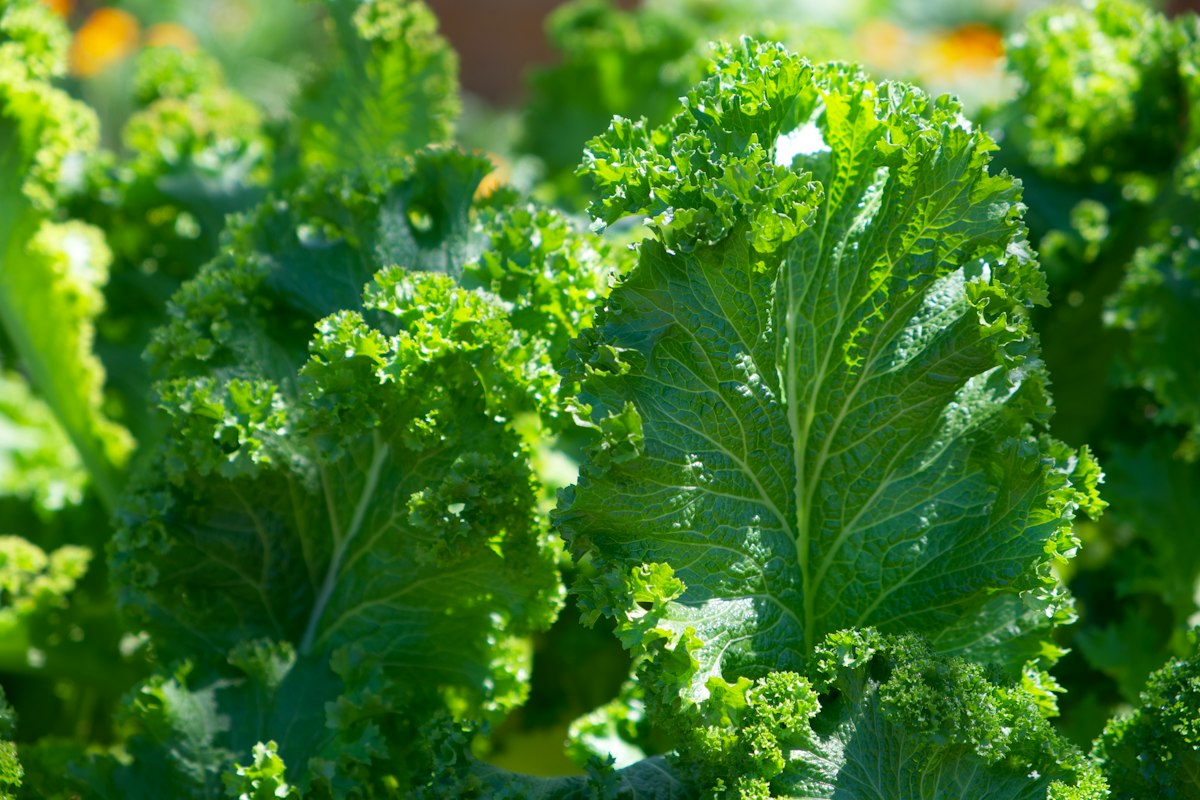
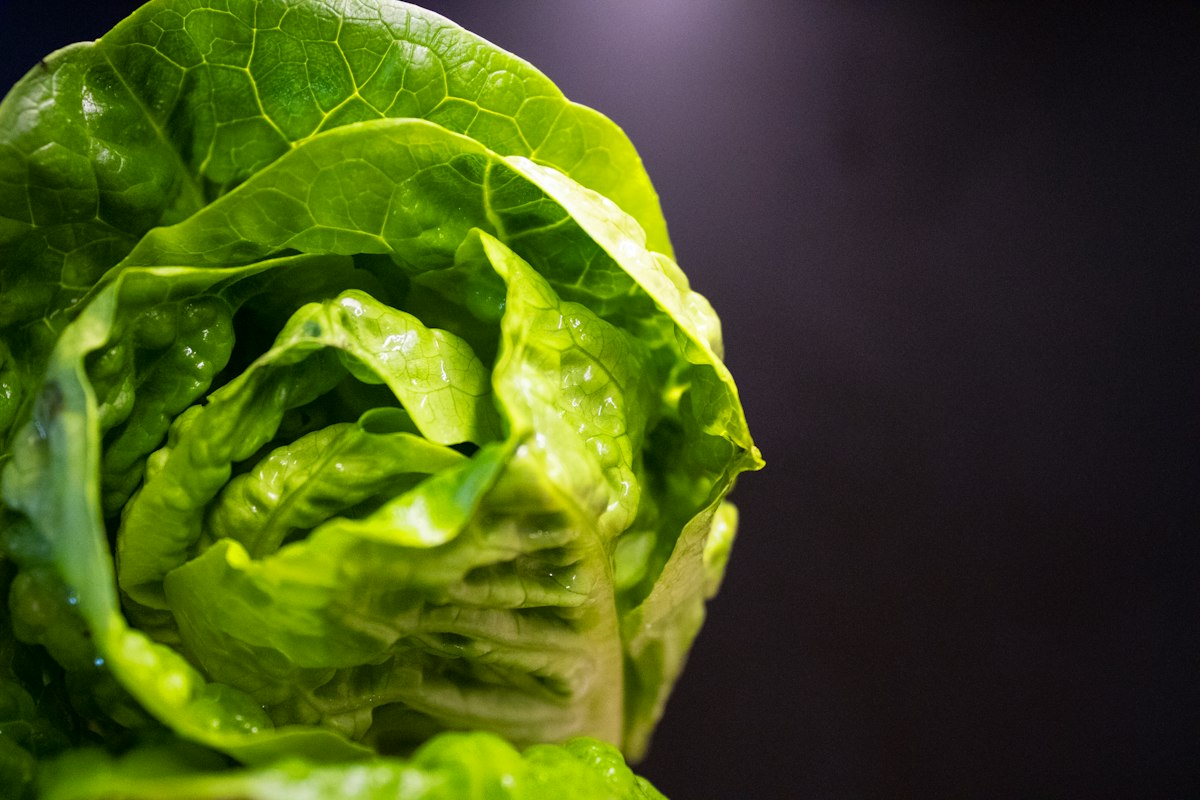
Spinach, kale, and Swiss chard are low in digestible carbohydrates and rich in magnesium — a mineral closely linked to healthy insulin function. Including a generous portion of leafy greens at each meal is one of the simplest and most effective dietary adjustments you can make.
Read moreFatty Fish
Salmon, mackerel, and sardines provide high-quality protein and omega-3 fatty acids that support steady energy levels without spiking blood glucose. Protein-rich meals slow down digestion, preventing rapid surges in blood sugar after eating — a key factor in maintaining balance throughout the day.
Read moreBerries
Blueberries, raspberries, and strawberries have a low glycaemic index and are packed with fibre and antioxidants. Their natural sweetness satisfies cravings while their fibre content slows glucose absorption — making them a smart, enjoyable alternative to high-sugar snacks and desserts.
Read moreWhole Oats
Rolled oats contain beta-glucan, a soluble fibre proven to slow carbohydrate digestion and moderate glucose absorption. A warm bowl of oats in the morning sets a stable foundation for the rest of the day, reducing the likelihood of mid-morning energy crashes and unnecessary snacking.
Read moreNuts & Seeds
Almonds, walnuts, flaxseeds, and chia seeds offer healthy fats, fibre, and protein in every bite. Their low glycaemic load makes them excellent snack options and meal additions. Studies suggest that a small daily handful of nuts is associated with more consistent post-meal glucose levels.
Read moreCinnamon & Herbs
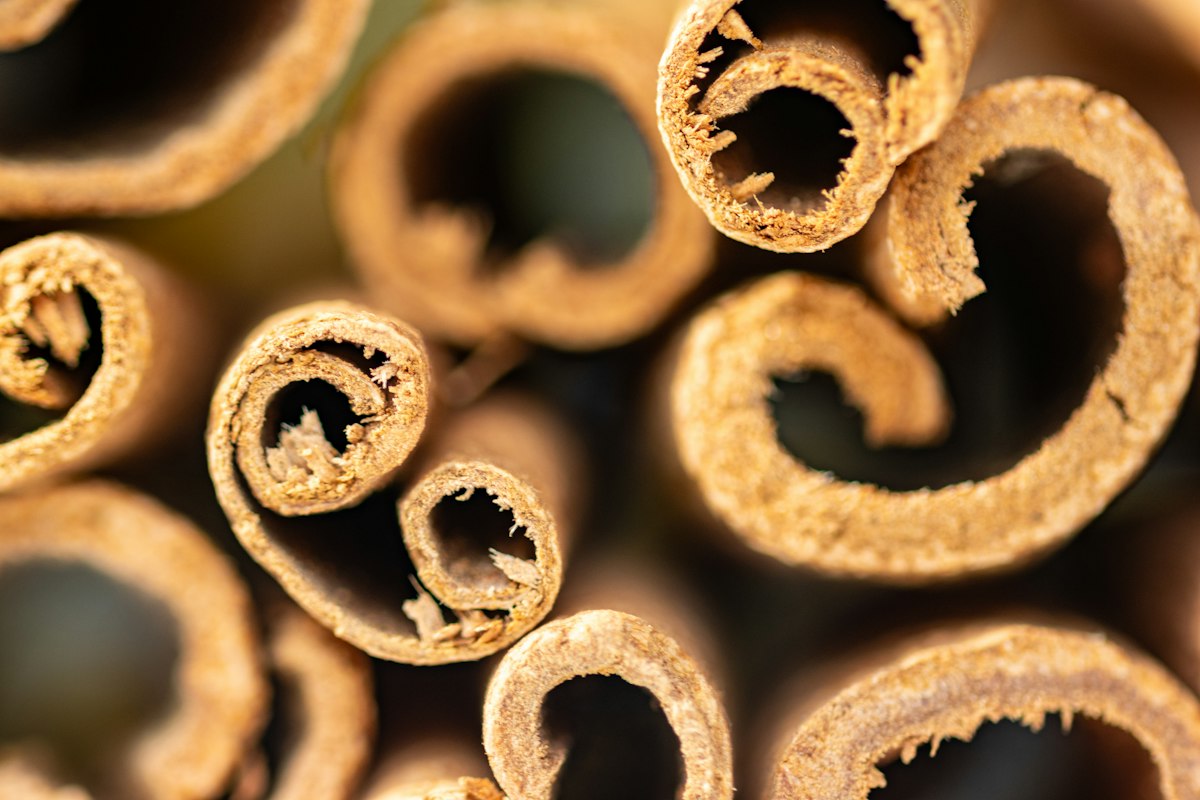
Ceylon cinnamon, fenugreek, and turmeric have all been researched for their potential to support healthy glucose metabolism. Even small additions of these spices to daily cooking — sprinkled into yogurt, stirred into herbal tea, or added to roasted vegetables — may make a meaningful contribution over time.
Read moreHow Diet Directly Shapes Your Body's Glucose Response
Every time you eat, your body begins the process of converting carbohydrates into glucose — the primary fuel for your cells. The speed and scale of this process depends heavily on the quality and composition of your meal. Foods high in refined carbohydrates cause sharp, rapid spikes in blood glucose, while meals rich in fibre, protein, and healthy fats produce a far more gradual, sustained release of energy.
The glycaemic index (GI) is a widely used scale that ranks foods according to how quickly they raise blood glucose levels. Low-GI foods — such as legumes, leafy vegetables, and whole grains — are digested slowly, helping to keep energy levels stable throughout the day. Understanding this principle is one of the most empowering nutritional tools available to anyone who wants to eat more consciously.
Importantly, the overall composition of a meal matters as much as any single food. Adding a source of healthy fat or protein to a carbohydrate-rich dish significantly blunts the glycaemic response. This is why a simple pasta dish with only tomato sauce has a very different effect on the body compared to the same pasta served with olive oil, grilled fish, and a generous green salad.
Learn the Core Principles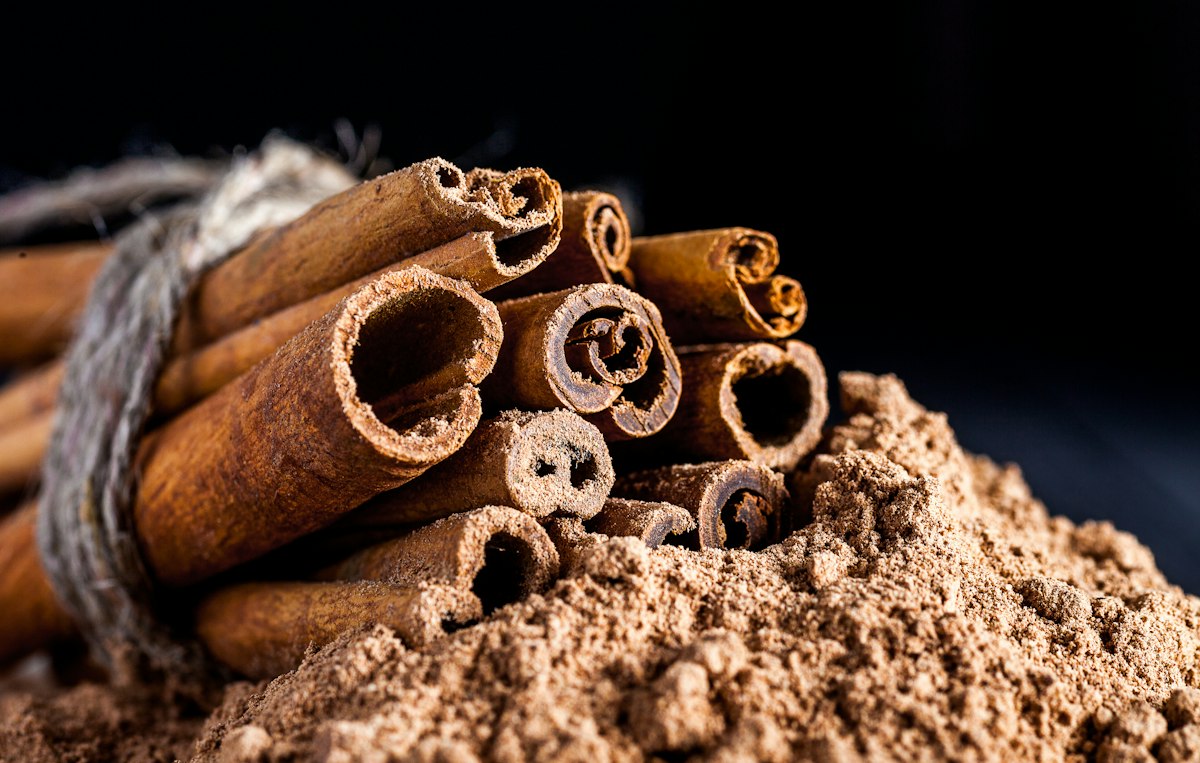
A Simple 4-Step Plan to Eat for Better Balance
You don't need to overhaul your entire diet overnight. Follow these four approachable steps to gradually incorporate blood-sugar-friendly foods into your daily routine.
Audit Your Plate
Start by taking an honest look at your current meals. Identify the high-GI staples — white bread, sugary drinks, processed snacks — and note where you could make simple swaps without feeling deprived.
Add Before You Remove
Rather than focusing on restriction, begin by adding beneficial foods to your existing meals. Toss some spinach into your lunch, snack on a handful of almonds, or stir chia seeds into your morning yogurt — small additions that make a real difference.
Build Balanced Meals
Aim for each meal to include a source of lean protein, a portion of fibre-rich vegetables, a healthy fat, and a complex carbohydrate. This balanced structure naturally moderates glucose absorption and keeps you satisfied for longer.
Stay Consistent & Curious
Consistent habits over time are far more effective than occasional perfect meals. Explore new recipes, read our food guides, and remain curious about how different ingredients make you feel — this is a long-term journey, not a short-term fix.
From Our Editorial Kitchen
Real ingredients, real meals. Our team explores low-glycemic eating in practice — here's a glimpse of what that looks like on a daily basis.
What Our Readers Are Saying
Real people sharing how our editorial content on low-glycemic eating has influenced their daily food choices and overall sense of wellbeing.
"I stumbled across the article on leafy greens and cinnamon and immediately started adding them to my meals. After a few weeks of following the advice in the food guides, I noticed I was no longer crashing mid-afternoon the way I used to. The writing is clear, practical, and never overwhelming — it feels like getting advice from a knowledgeable friend rather than reading a medical textbook."
Margaux Lefebvre
Lyon, France
"The 4-step plan article changed how I approach grocery shopping entirely. I used to buy whatever was on offer without thinking about how it would affect my energy levels. Now I consciously choose whole oats over cereals, berries over biscuits, and fatty fish over processed meats. These seem like small changes, but the cumulative effect on how I feel day to day is genuinely remarkable."
Thomas Beaumont
Bordeaux, France
"As someone who has been mindful about nutrition for years, I found the content here refreshingly well-researched. The article explaining how the glycaemic index works in the context of full meals — not just individual foods — was an eye-opener. I shared it with my sister and she immediately made changes to her breakfast routine. Content like this deserves to be much more widely known."
Sophie Marchand
Toulouse, France
"What I love most about Lowfatmealplanning is that nothing feels extreme or restrictive. The tone of the articles encourages you to enjoy food while making smarter choices — and that balance is so rare. I tried the week-long meal structure outlined in the food guides section and was amazed at how naturally I started reaching for nuts and seeds instead of my usual afternoon biscuits. A brilliant editorial resource."
Nicolas Garnier
Nantes, France
Frequently Asked Questions
Everything you've wanted to know about blood sugar, food choices, and how to use our editorial guides effectively.
What does "lowering blood sugar naturally" actually mean?
It refers to using food, lifestyle, and daily habits to help keep blood glucose levels within a healthy range, without relying solely on external interventions. The approach centres on choosing foods with a lower glycaemic impact and building meals that slow the absorption of glucose into the bloodstream.
How quickly can dietary changes affect blood sugar balance?
Some changes in post-meal glucose levels can be noticed relatively quickly — sometimes within a week or two of consistent dietary adjustment. However, sustainable and meaningful improvements generally come from long-term, consistent eating habits rather than short bursts of dietary discipline. The goal is gradual, lasting change.
Are these food recommendations suitable for everyone?
Our articles are written as general educational content for adults interested in improving their nutrition. The foods and principles we cover — whole grains, leafy greens, berries, lean protein — are widely regarded as beneficial for most healthy adults. We always encourage readers to consult a qualified nutritionist or healthcare professional for personalised advice.
Is there a particular meal pattern that works best?
Research suggests that eating regular, balanced meals — rather than skipping meals or grazing on snacks throughout the day — helps maintain more stable glucose levels. Starting the day with a protein and fibre-rich breakfast, eating a balanced lunch, and having a lighter evening meal is a pattern many nutritionists recommend for overall energy and glucose management.
Can I still enjoy French cuisine while eating low-GI?
Absolutely — and this is one of the most encouraging aspects of a low-glycaemic approach. Many traditional French dishes already align well with these principles: ratatouille, bouillabaisse, lentil soups, and salades composées are all excellent examples. The key is to be mindful of portion sizes for baguette and pastry, and to build your meals around vegetables, legumes, and quality protein.
Where can I find your meal planning guides on this site?
Our editorial team has put together a comprehensive collection of food guides and articles that you can explore via the Food Guides section of the site. You will find detailed breakdowns of individual foods, practical meal ideas, and easy-to-follow principles that translate nutritional science into real, everyday eating decisions.
Stay Informed — Join Our Reader Newsletter
Get our latest articles on blood-sugar-friendly foods, low-glycemic meal ideas, and nutritional insights delivered to your inbox. No spam, no sales — just quality editorial content.
By subscribing, you agree to our Privacy Policy. Unsubscribe anytime.